
Some songs are written to entertain. Others are written because there simply isn’t another way to carry what you’re feeling.
Mokemoke is one of those songs.
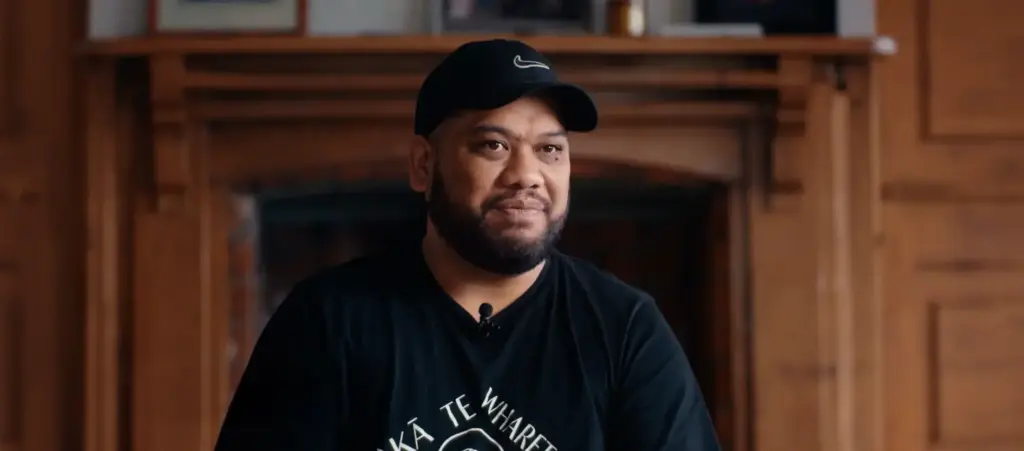
For Brutha Rodz (Ngāpuhi, Te Ātihaunui-a-Pāpārangi, Te Kāhui Maunga), the deeply personal waiata wasn’t born from a songwriting session chasing a single. It came from a place of profound grief after losing his niece to suicide during the COVID lockdowns.
Unable to leave Auckland to attend her tangihanga, he was left carrying the weight of heartbreak from afar, uncertain whether he would get the chance to say goodbye. When he finally made it home, the emotion was overwhelming.
“When I finally saw my niece, I broke. I didn’t know how else to process it except through music.”
That moment became the beginning of Mokemoke.
While the story behind the waiata belongs to Brutha Rodz and his whānau, its message reaches much further. At its heart, Mokemoke is about reminding people that loneliness doesn’t have to be carried alone. It’s a quiet encouragement to check in on the people around us, to ask for help when we need it, and to never underestimate how much one conversation can matter.
For Brutha Rodz, speaking openly about his own grief was never easy, but it felt necessary.
“If sharing my story helps just one person feel seen, or gives someone the courage to ask for help, then the song has done what it was meant to do.”
The waiata itself came together during a songwriting wānanga in Pukehina alongside Maria Mclean of Papa’s Pack and Rei. Once Brutha Rodz began sharing what he had been carrying, the song seemed to write itself.
Ninety minutes later, Mokemoke was complete.
Born in Whangārei and raised beneath Koro Ruapehu in Raetihi, Brutha Rodz has built a reputation for writing songs that speak honestly about life, identity and resilience. A self-described mountain boy with reggae woven through his upbringing, his music has always been grounded in lived experience. That honesty has connected with audiences throughout Aotearoa, and nowhere is it more evident than on Mokemoke.
The accompanying music video carries the same quiet emotion. Filmed inside an empty theatre at Due Drop Events Centre in Manukau, Brutha Rodz performs to rows of empty seats as a tribute to those who are no longer with us, while offering aroha to the whānau and communities who continue to carry their memory.
Rather than dwelling in loss, Mokemoke gently turns towards hope.
It reminds us that behind every smile there may be a story we cannot see. That asking someone how they’re really doing matters. That reaching out isn’t weakness, and neither is accepting help.
If there’s one thing Brutha Rodz hopes people take away from Mokemoke, it’s this: check in on the people you love, don’t be afraid to ask for help, and never underestimate how much one conversation can matter.
Mokemoke is available now on all streaming platforms.
If this story has brought up anything for you, or someone you know needs support, help is available.
Aoake te Rā – A free service providing support and manaaki to people who have lost someone to suicide. Visit www.aoaketera.org.nz
Need to Talk? Free call or text 1737 any time to speak with a trained counsellor.
Lifeline: 0800 543 354 (0800 LIFELINE)
Youthline: 0800 376 633, free text 234, webchat at youthline.co.nz, DM @youthlinenz on Instagram, or WhatsApp 09 886 5696
Suicide Crisis Helpline: 0508 828 865 (0508 TAUTOKO)
Samaritans: 0800 726 666
For a wider range of support services, visit mentalhealth.org.nz/helplines.